DRONE INT
Drone threat detection
DRONE INT is a solution for the detection, identification, tracking, and neutralization of drones based on the analysis of electromagnetic signatures.
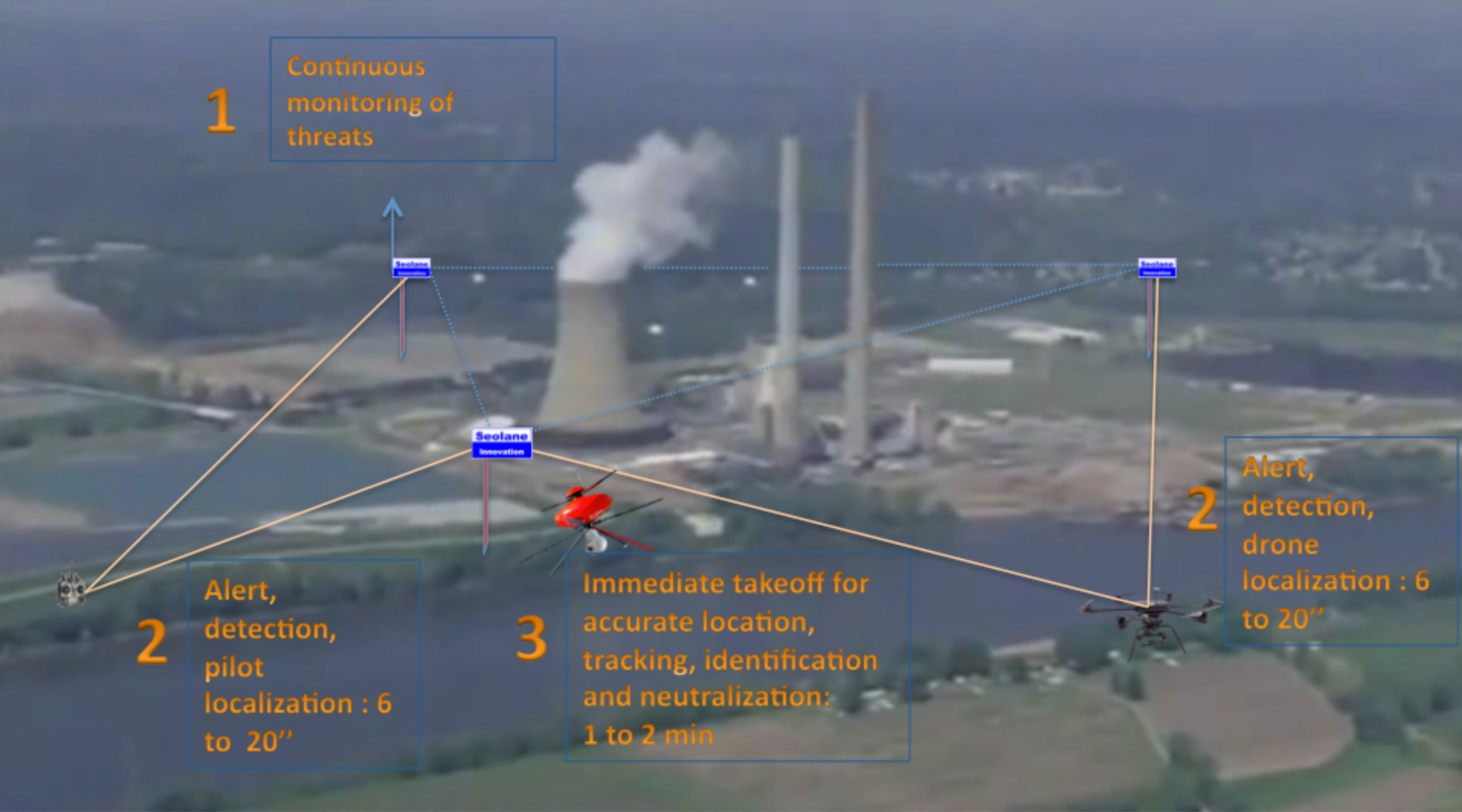
Drones and their pilots are detected via their radio emissions. DRONE INT locates any emission and can operate in multi-target mode to simultaneously manage multiple drones.
The solution is designed to function even in environments with heavy electromagnetic interference.
Detect – Identify – Track – Neutralize
Main functions
- Detection of drones
- Detection of pilots
- Localization of radio emissions
- Multi-target operation
- Automatic drone tracking
- Visual identification by Visible / IR camera
- Drone neutralization (optional)
Threat Detection
- Drones and their operators are detected through their electromagnetic signatures.
- DRONE INT locates any radio-frequency emission and is capable of detecting multiple targets simultaneously.
- The system remains fully operational even in highly congested electromagnetic environments.
Tracking and Identification
- Once detected, both the drone and its operator are automatically tracked.
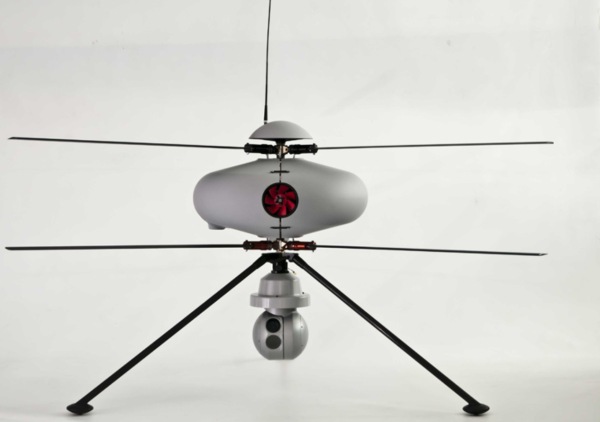
- The DRONE INT drone is equipped with a Visible / Infrared (IR) camera, enabling visual identification of the operator.
- The system features an automatic target tracking capability.
Drone Neutralization
DRONE INT prevents the operator from maintaining control of the drone.
Depending on the drone type and the regulations applicable in the country of operation, the system can:
- Issue a landing command;
- Issue a leave-area command (geofencing enforcement).
Technical Specifications
| Detection Technology | Electromagnetic Signatures |
|---|---|
| Drone Detection | Yes |
| Operator Detection | Yes |
| RF Emission Localization | Yes |
| Multi-Target Capability | Yes |
| Automatic Tracking | Yes |
| Video Identification | Visible / IR Camera |
| Operator Tracking | Yes |
| Drone Tracking | Yes |
| Neutralisation | Multiple Options |
| Landing Command | Yes (depending on drone type) |
| Leave-Area Command | Yes (depending on drone type) |
| Operation in Electromagnetically Congested Environments | Yes |
How does DRONE INT detect drones?
DRONE INT detects drones and their operators through their electromagnetic signatures and locates their radio-frequency emissions.
Can the system detect multiple drones simultaneously?
Yes. DRONE INT operates in multi-target mode, enabling the simultaneous detection and monitoring of several drones.
Can the system identify the operator?
Yes. Following detection, a Visible / IR camera allows visual identification of the operator.
Is tracking automatic?
Yes. DRONE INT features an automatic tracking system for both the drone and its operator.
Can a drone be neutralized?
Yes, as an optional capability. The system can prevent the operator from controlling the drone.
How is neutralization performed?
Depending on the drone type and applicable local regulations, the system can either command the drone to land safely or direct it to leave the protected area.
Does the system operate effectively in complex RF environments?
Yes. DRONE INT is designed to operate reliably even in heavily congested electromagnetic environments.